January 2026 · Salta, Argentina
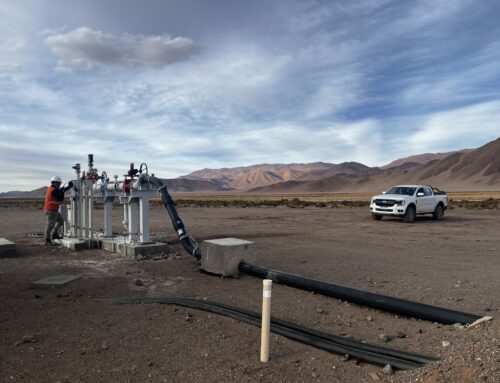
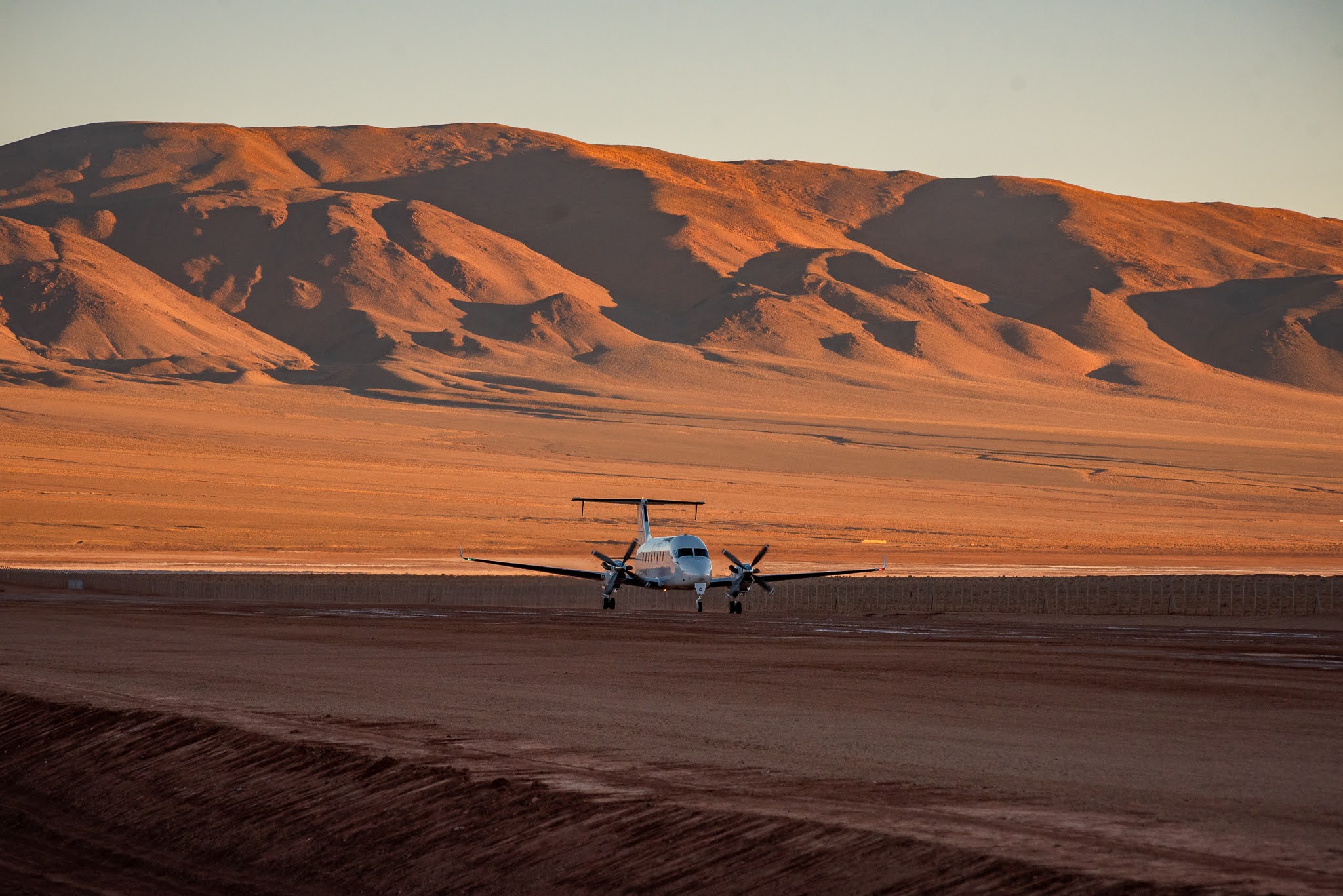
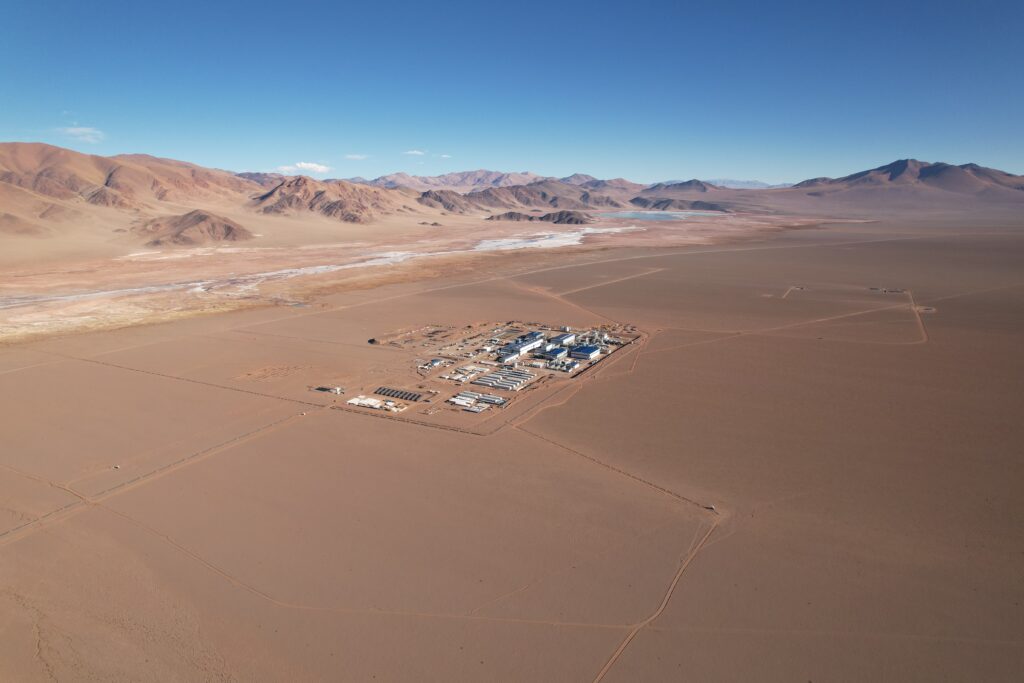
At nearly 4,000 meters above sea level, the silence of the salt flat has a sound of its own. The wind hits differently, breathing feels shorter, and the horizon seems endless. In this imposing environment, each day reminds us that working here is not only a technical challenge—above all, it is a human one. And that challenge becomes even greater when you understand how remote this place is and how long it takes to reach it.
Two years ago, we realized we needed to take a step forward to protect everyone who is part of this company. The altitude demanded something different from us—something deeper. And so we began a transformation journey to strengthen our onsite medical service. What we didn’t imagine then was the impact this effort would have.
The results speak for themselves: in 2025 alone, we were able to successfully assist at least five people in truly critical situations, demonstrating the real impact of this joint work.
That is the true value of everything we did and continue to do.
A medical service that responds when altitude demands more
High altitude presents concrete risks: lower oxygen levels, symptoms that appear without warning, faster onset of fatigue, and long travel times to reach an urban medical center. That’s why we implemented a comprehensive plan based on high‑quality equipment, solid protocols, and continuous training.
Today we have:
- A 24/7 medical service operated by ECCO.
- Two physicians and four onsite resident nurses.
- Two 4×4 ambulances equipped for complex terrain.
- Mobile laboratories, a hyperbaric chamber, critical medication, and advanced technology.
- Protocols audited by our teams and by the Eramet Group.
- Updated air‑evacuation procedures.
- Health campaigns and scheduled drills.
- And an agreement with POSCO that expands our response capacity.
Technology that makes a difference
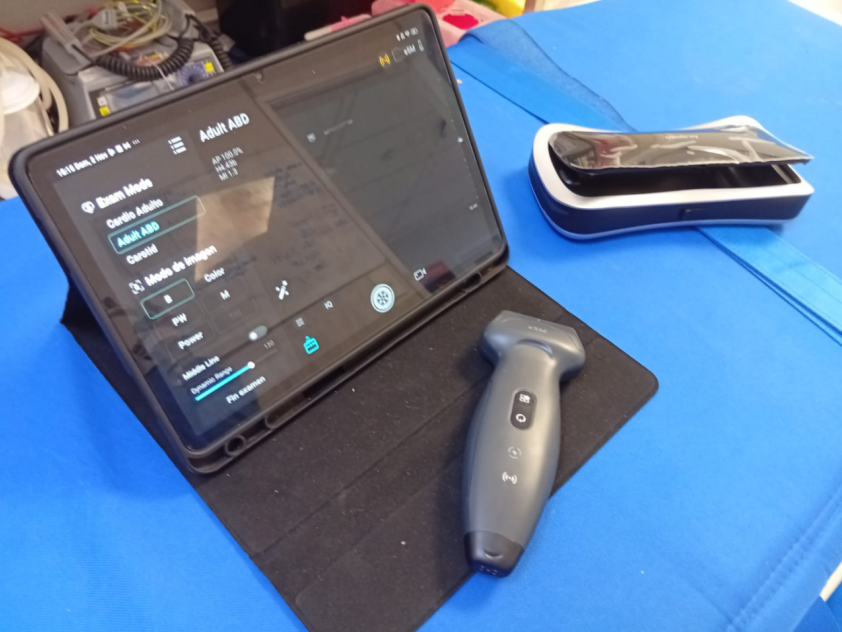
In recent weeks, we incorporated a state‑of‑the‑art portable ultrasound device—an innovation that is already making a difference. It allows us to assess muscle injuries, pneumothorax, acute abdomen, or venous access in minutes, without requiring transport.
We can provide care directly in the field, share real‑time images with specialists in Salta or Buenos Aires, and train our team in critical procedures.
We also added a satellite laboratory, the size of a handheld device—just 15 by 10 centimeters—which allows us to perform critical tests on the spot. With just a few drops of blood, we obtain key results to guide diagnoses with far greater precision, both in cardiovascular and respiratory cases. This immediate response capability transforms medical decision‑making onsite and enables early interventions that can save lives.
Listening to your body and recognizing its signals in time is essential for prevention. Joe Fordham, Director of Operations Services at Eramine, is one of the cases where this portable laboratory proved decisive: thanks to the immediate analysis performed onsite, the medical team was able to make an accurate diagnostic approach and act without delay, preventing a condition that could have led to a heart attack.
Joe sums it up this way:
“Working at more than 3,800 meters above sea level is not something to take lightly. In 2024 we added protocols, networks with neighboring colleagues, and an evacuation aircraft. But none of that matters if, when you feel a symptom, you don’t go to the Medical Center and follow the instructions. I doubted the ‘it will pass soon’ and avoided an event that could have ended in a heart attack. At high altitude, listening to your body and asking for help is how we take care of ourselves.”
In this regard, Alejandro Moro, CEO of Eramine, states:
“These past years were key. We improved equipment, procedures, training, and evacuation logistics with one clear purpose: saving lives.”
And we achieved it: five lives saved.
Five times when technology, protocol, and teamwork did exactly what they had to do—precisely when it was needed.
The team behind this story
Responding at high altitude requires more than medical knowledge: it demands composure, speed, and coordination. Our team trains to act in cardiovascular emergencies, trauma, neurological episodes, and cases related to altitude sickness.
“Up here, every minute is worth gold,” says Bernabé Louytaf, head of our medical team. “Having this equipment and clear protocols allows us to act with precision. And thanks to that, five people are alive today.”
In a place where everything is far away, preparedness is where response begins.
Our commitment: continuing to take care of one another
For us, health and occupational safety are central. They are not just another objective—they are part of the commitment we share with the entire Eramet Group. And that commitment drives us to keep investing, improving, and moving forward.
“Being up to the challenge at high altitude is more than a phrase,” says Bruno Sicard, Medical Director of the Eramet Group. “It reflects how we work and what we will continue building: a prepared medical service, a committed team, and a safer environment for everyone.”
In a territory where nature sets the rules, we choose to respond with preparation, technology, dedication, and humanity.
And each of the five lives saved reminds us why this path is worth taking.
We continue working to always rise to the challenge of high altitude.