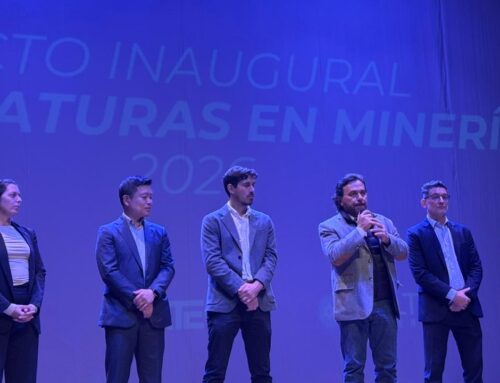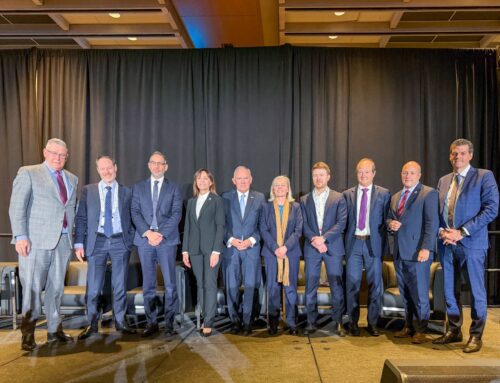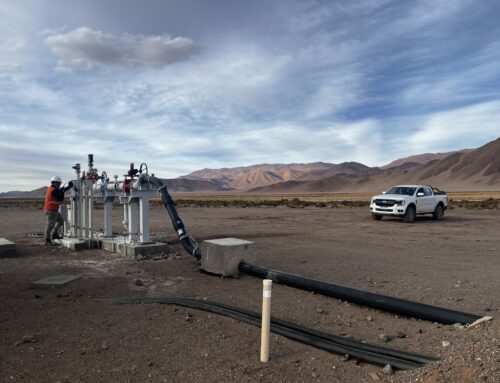
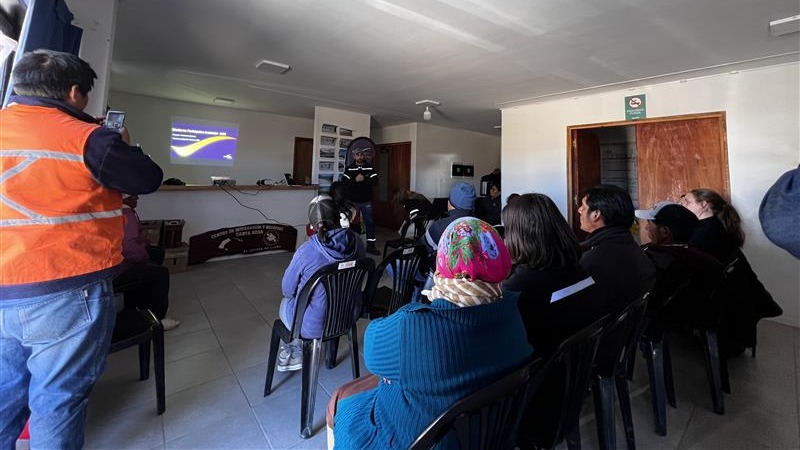
On Saturday, April 11, Eramet Eramine presented the results of its most recent participatory environmental monitoring at the Santa Rosa de los Pastos Grandes Integration Center. The monitoring activities were carried out between October 28 and 30, 2025, in the area of influence of the company’s operation.
The initiative is part of Eramet Eramine’s management approach, which is based on transparency, dialogue, and open communication as core principles of its operations. The presentation was led by the Environment, Corporate Social Responsibility, and Operations teams, and took place in a space specifically designed to encourage exchange with local communities.
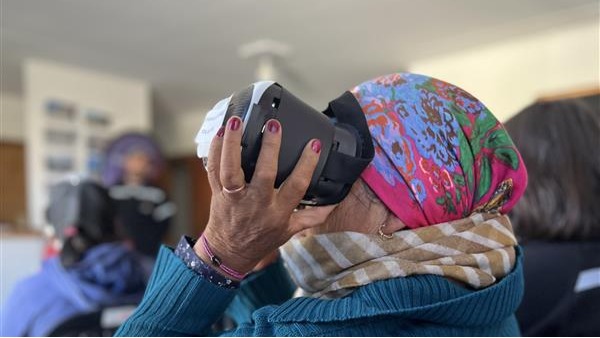
During the meeting, participants were able to learn in detail about the monitoring results, ask questions, and raise concerns directly. As a distinctive educational resource, 360° viewers were used to facilitate visualization of the plant, adding a more interactive dimension and generating strong interest among attendees.
Participatory Monitoring with Multi‑Stakeholder Validation
The participatory environmental monitoring is carried out through the joint involvement of the Kolla Andean Community of Santa Rosa de los Pastos Grandes, Eramet Eramine, specialized consultants and laboratories, and the Regulatory Authority. Throughout the process, sample collection is conducted jointly, allowing all parties to observe and actively participate in each stage.
The presentation of results is an integral part of this approach, aimed at sharing information in a clear, honest, and transparent manner, and creating dialogue spaces where different stakeholders can raise questions and receive direct responses from technical teams.
Overall Monitoring Results
The assessments covered the main environmental components defined by current regulations, including air quality, environmental noise, soil quality, surface and groundwater, effluents, as well as biological components related to flora, fauna, limnology, and microbiology.
Overall, the results indicate that:
Environmental conditions remain consistent with the area’s natural environment.
Recorded values fall within the limits established by applicable regulations and reference standards.
Observed variations are linked to natural and seasonal conditions, with no evidence of significant impacts associated with project activities.
During the presentation, these results were explained by the technical teams and subsequently made available to the communities, within a framework of openness, listening, and mutual respect.
Transparency and Ethics as Ongoing Practices
In this regard, Carolina Negre, Head of Sustainability at Eramet Eramine, stated:
“At Eramine, transparent communication is part of our daily activities. That is why the Sustainability team, together with the Operations and Corporate Social Responsibility teams, led this presentation. Working with ethics and integrity are essential values for the company, because what we do matters, but how we do it matters even more.”
Eramet Eramine will continue to promote these spaces for exchange and dialogue, convinced that open information sharing and honest conversations are a central part of its way of operating and of its relationship with surrounding communities.